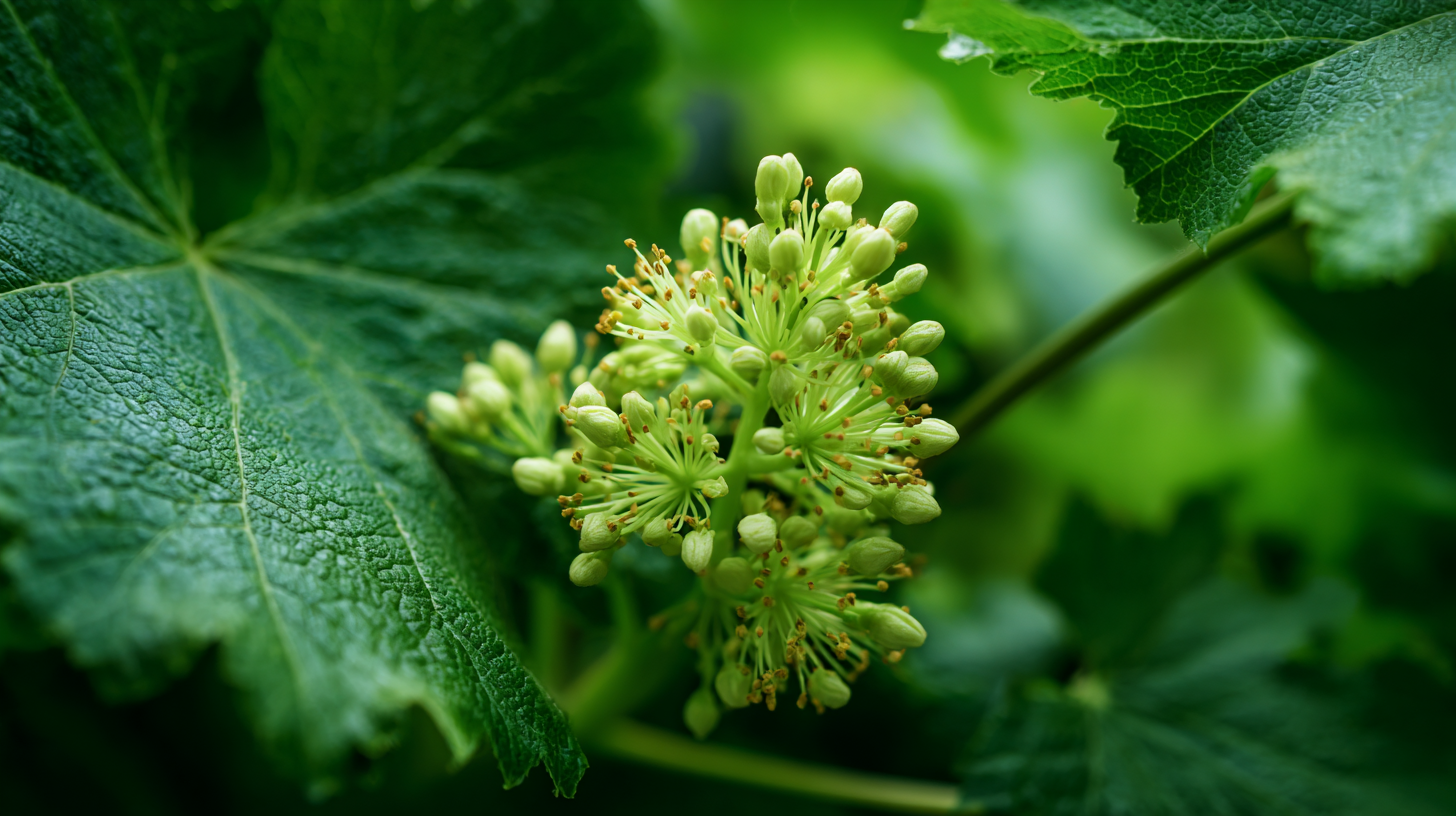
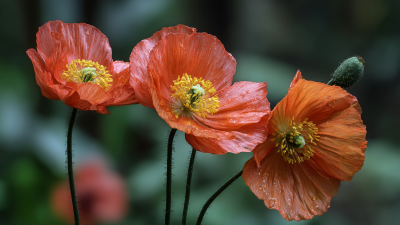
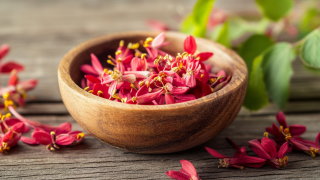
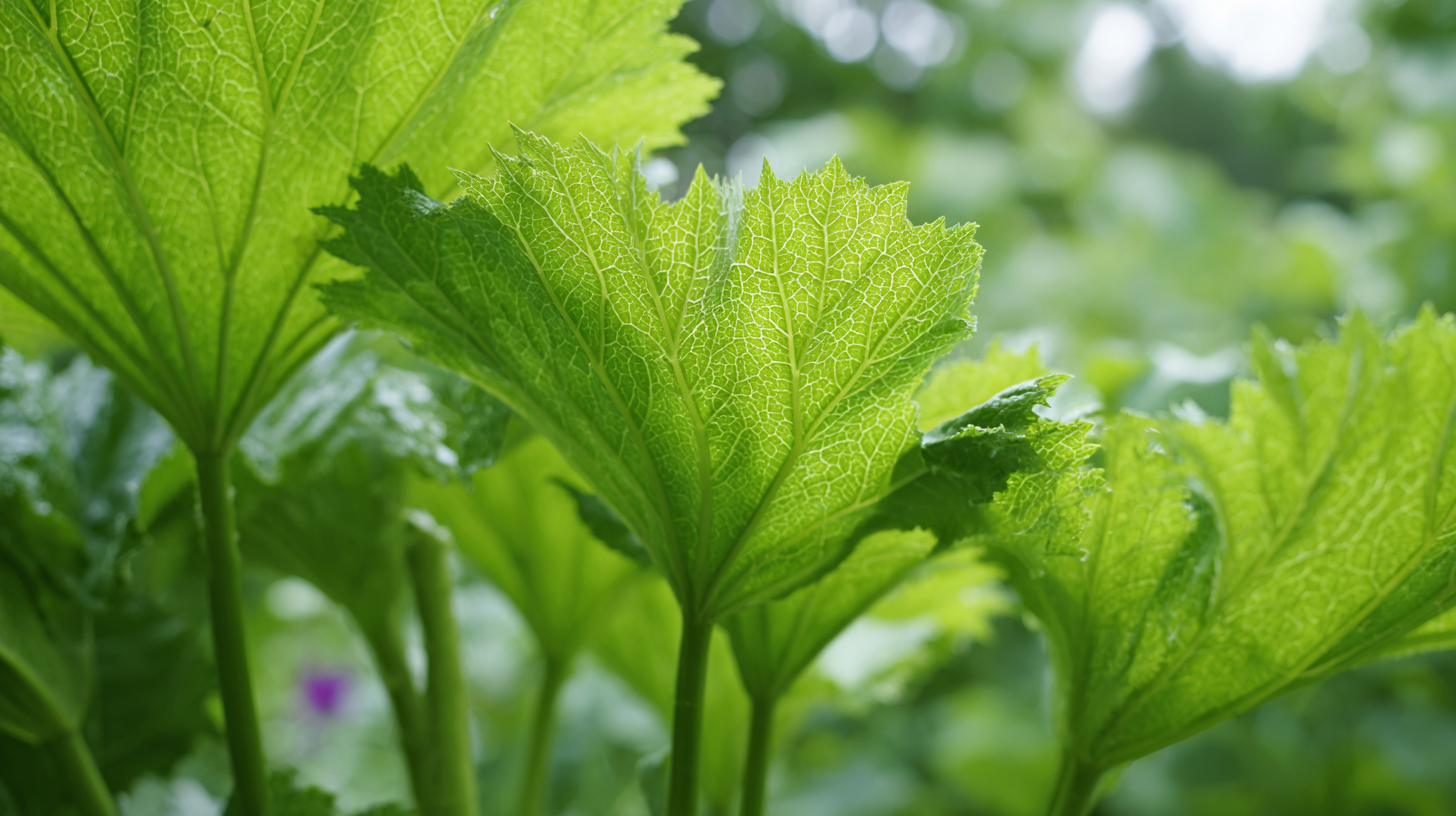
Lately, the Macleaya Plume Poppy has been getting a lot of love from both garden enthusiasts and landscapers. It’s not just because it looks absolutely stunning, but also because it’s pretty low-maintenance and offers some real environmental perks. I read somewhere that, according to the American Society of Landscape Architects, plants like this one are becoming super popular — mainly because they attract pollinators and can handle a bunch of different growing conditions. At Xi'an Kintai Biotech Inc., we’re all about growing top-notch plants. We stick to strict quality standards from start to finish, making sure every raw material is safe and high quality. Whether you’re an experienced gardener or just getting started, knowing a few tips for growing Macleaya Plume Poppy can really make gardening more fun — plus, it’s great for the local ecosystem too.
Choosing the Right Location: Ideal Conditions for Macleaya Plume Poppy Growth
Picking the right spot for your Macleaya plume poppy is super important if you want it to thrive and stay healthy. These perennials love full sun or partial shade, and they really do best in rich, well-draining soil. I came across a study in the 'Journal of Botanical Research' that mentioned how getting the right amount of light can actually boost blooming by up to 30%. That means more vibrant flowers that stick around all summer long! When you're choosing a location, don’t forget to check the soil’s pH — these plants like slightly acidic to neutral soil, somewhere between 6.0 and 7.0 works best.
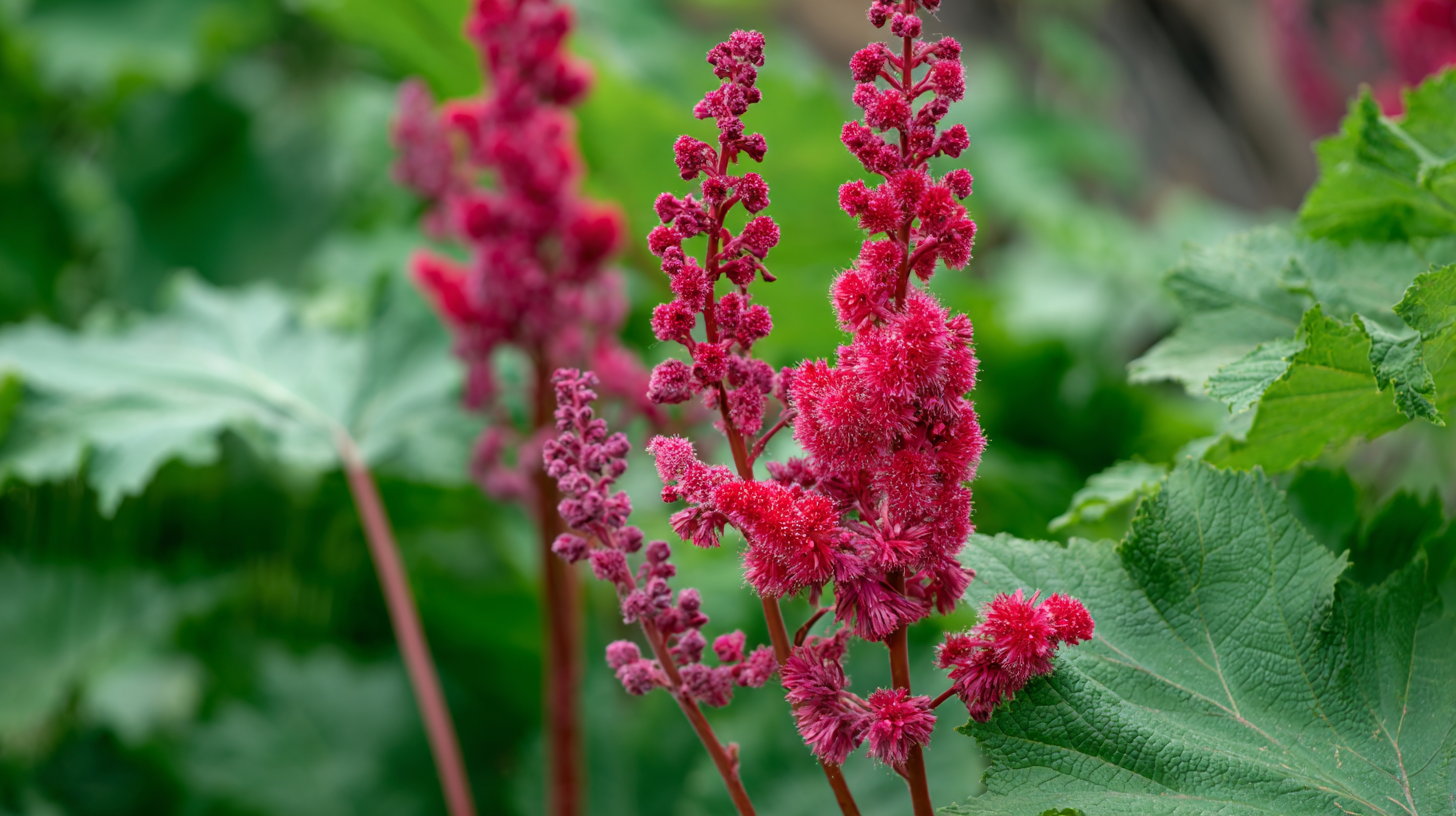
Also, give your plants enough space to grow. The Royal Horticultural Society suggests leaving at least 24 inches between each plant so they can spread out comfortably and breathe a bit. Plus, good air circulation helps keep diseases at bay, especially fungal problems that can pop up when things are too crowded. If possible, pick a spot that’s protected from strong winds, since those tall stems (that can grow up to 6 feet!) are easily damaged. Keep these little tips in mind, and you'll be well on your way to growing a beautiful, lush display of Macleaya plume poppy right in your garden.
Soil Requirements: Testing pH Levels and Nutrient Content for Optimal Growth
When you're growing Macleaya plume poppy, getting a good handle on what your soil needs is super important if you want it to thrive. This tough perennial loves well-drained, fertile soil that's rich in organic stuff. To find out if your soil is up to snuff, it's a good idea to test its pH first. Macleaya prefers things to be a bit on the acidic to neutral side — somewhere around 6.0 to 7.0. You can grab a simple soil test kit from the garden center for a quick check, or if you wanna be more precise, send a sample off to your local extension service for a proper analysis.
But hey, pH isn’t the whole story. It’s also really important to look at what nutrients your soil’s packing. Things like nitrogen, phosphorus, and potassium play big roles in how well your plant grows, blooms, and just overall feels healthy. If your test shows deficiencies, don’t worry — just add some organic compost or specific fertilizers designed to boost what’s missing. Regularly tossing in organic matter doesn’t just give your plants a nutrition boost; it also improves soil structure, making it drain better and helping roots spread out nicely. All these little steps set the perfect stage for this gorgeous plant to really shine in your garden.
Watering Practices: Understanding Moisture Needs and Avoiding Overwatering
Taking care of your Macleaya Plume Poppy really boils down to getting its moisture needs just right. A good trick to make sure it’s properly hydrated is to take the plant to the sink and give it a good soak—let the water soak through the soil. Or, if you prefer, you can dip the pot in a bowl of warm water for a bit. That way, the water spreads out evenly and the roots get what they need. It’s a simple move that helps prevent overwatering while making sure your plant’s roots stay happy.
To avoid common problems like damping off, it’s smart to keep an eye on the soil’s moisture. Just poke your finger about an inch into the soil—if it feels dry, it’s time to water. Usually, I’d say watering a couple of times a week does the trick, but honestly, it depends on the weather and your soil kind. Keep these tips in mind, and your Macleaya Plume Poppy should thrive. Plus, it'll be more resilient—less stressed out by droughts or dry spells.
Happy gardening!
Proper Pruning Techniques: Enhancing Appearance and Promoting Healthy Growth
If you want your Macleaya Plume Poppy to thrive and look absolutely stunning, paying attention to proper pruning is a must. Regular trimming not only helps the plant stay looking its best, but it also encourages thicker foliage and those gorgeous, vibrant blooms. A good rule of thumb is to prune in early spring—before any new growth kicks in—by cutting back the stems to promote branching. It’s a simple trick that keeps the plant nicely shaped and prevents it from getting too leggy or scraggly.
When you’re pruning, make sure to use sharp, clean shears. It sounds minor, but clean cuts mean less stress for the plant and faster healing. Also, don’t forget to snip away any dead or damaged stems—this boosts airflow and light, both super important for keeping your poppy healthy and happy. Just like with lavender or other plants, timing and technique really matter here. If you put a little love and attention into your pruning routine, your Macleaya Plume Poppy will flourish and turn into a real garden showstopper.
5 Essential Tips for Cultivating Macleaya Plume Poppy in Your Garden - Proper Pruning Techniques: Enhancing Appearance and Promoting Healthy Growth
| Tip Number | Tip Description | Optimal Pruning Time | Expected Results |
| 1 | Begin pruning in early spring to encourage vigorous growth. | March - April | More lush foliage and increased flower production. |
| 2 | Remove dead or damaged stems to improve air circulation. | Any time of the year | Healthier plant structure and reduced disease risk. |
| 3 | Trim back spent flowers to encourage new growth. | Post-blooming season | Extended blooming period and improved overall appearance. |
| 4 | Pinch back the tips of young plants to promote bushiness. | Early growth phase | A fuller, more compact plant appearance. |
| 5 | Conduct light pruning throughout the growing season to maintain shape. | May - August | Enhanced shape and vitality of the plants. |
Pest and Disease Management: Common Issues and Organic Solutions
The Macleaya plume poppy is quite a showstopper with its eye-catching leaves and soft, delicate flowers. Honestly, adding it to your garden can really make things pop. But here’s the thing—keeping it healthy and vibrant means you’ve gotta stay on top of pests and diseases. One of the biggest headaches for gardeners is aphids—they love to invade and can really weaken the plant, sometimes even warping its appearance. Did you know that almost a quarter of flowering plants in gardens deal with aphid problems each year?
A good trick is to use organic stuff like neem oil—it’s pretty effective at keeping those pesky pests away, and it won’t harm the good bugs you want around.
Seasonal Care: Adapting Your Gardening Practices Throughout the Year
Taking care of your Macleaya plume poppy throughout the seasons is super important if you want it to stay healthy and look gorgeous. In spring, as things start warming up, it’s a good idea to get the soil ready—adding some organic matter can really help create a rich, happy environment for your plant. Don’t forget to water it regularly during those early growth days; it helps build strong roots and gives your plant a good head start. Oh, and since research shows that automated lawn tools are growing at about 8.7% annually, investing in one of those could make managing a bigger garden way easier, leaving you more time to focus on your poppy!
When summer rolls around, keep an eye on the moisture levels, especially because the plume poppy loves well-drained soil. Mulching is a lifesaver here—it keeps the soil moist and also keeps weeds at bay, which gets even more important when it’s hot outside.
Come autumn, when temperatures start dropping, it’s a good idea to prune away the spent flowers and get the plant ready to rest through the winter. Doing this seasonal maintenance not only helps keep your garden looking its best but also fits into current gardening trends, like urban projects that focus on sustainable, beautiful landscapes. All in all, a little seasonal effort goes a long way in making your garden lively and vibrant!
Unlocking the Health Benefits of Bulk Pure Macleaya Cordata Total Alkaloids Powder for Optimal Wellness
Unlocking the Health Benefits of Bulk Pure Macleaya Cordata Total Alkaloids Powder for Optimal Wellness
In recent years, the spotlight has been on natural remedies that can complement our wellness journey. Among these, Bulk Pure Macleaya Cordata Total Alkaloids Powder has emerged as a notable inclusion, renowned for its diverse health benefits. Containing a total alkali content of 60%, with Sanguinarine and Chelerythrine making up 40% and 20% respectively, this orange-red powder is not just a dietary supplement; it’s a multifaceted ingredient rich in therapeutic potential. The extraction process ensures that we harness the maximum benefits while ensuring that it remains natural, non-additive, and non-GMO.
The remarkable attributes of Macleaya Cordata extend beyond mere nutrition. This potent herbal extract has been recognized for its anti-cancer properties and antibacterial activities, making it a valuable addition to both personal health regimes and the agricultural sector as a feed additive. Furthermore, its role as an insecticide highlights its versatility in natural pest management. Certified under GMP, ISO9001, and several food safety regulations, the robust quality assurance ensures a safe addition to your wellness toolkit. With a shelf life of two years and the ability to customize specifications according to specific needs, embracing Bulk Pure Macleaya Cordata Total Alkaloids Powder can be a strategic move towards optimal health.
FAQS
: One effective method is to take the plant to the sink and soak it thoroughly, allowing water to seep into the soil. Alternatively, you can soak it in a bowl of warm water for even moisture distribution.
Typically, watering two to three times a week is sufficient, but this may vary depending on weather conditions and soil type.
Check the top inch of the soil; if it feels dry, it's time to water.
Aphids are a common pest that can sap the plant's strength and lead to deformation.
Implementing organic solutions such as neem oil can effectively deter aphids without harming beneficial insects.
Powdery mildew is a common fungal disease that can threaten the plant's health, particularly in high humidity areas.
Ensure proper air circulation around the plants and apply organic fungicides like sulfur when necessary.
Fungal diseases can decrease plant vigor by up to 40% if not addressed.
Regular monitoring and early intervention can help maintain a healthy and thriving garden, preventing pest and disease issues.
Soaking in warm water helps ensure even moisture distribution, hydrates the roots, and minimizes the risk of overwatering.
Conclusion
Growing Macleaya Plume Poppy can actually be pretty rewarding if you’re into gardening. The trick is to start off by picking the right spot—somewhere with good drainage and plenty of sunlight is key. It’s also smart to do a quick soil test to check the pH and nutrients—trust me, a little prep goes a long way in helping your plant thrive.
Watering’s another big deal. You wanna keep the soil moist but not soggy—overwatering can really hurt those roots. And don’t forget about pruning; trimming it up now and then keeps it looking nice and encourages strong, healthy growth. Just like with any garden project, watching out for pests and diseases is super important. Knowing what to look for and going the organic route if issues pop up will keep your Macleaya Plume Poppy happy.
Oh, and don’t forget that seasonal care makes a difference—adjusting what you do a bit throughout the year keeps everything thriving. Kinda like how we focus on quality control at Xi'an Kintai Biotech Inc to make sure everything’s top-notch—that’s how your garden will stay happy and healthy for the long haul.